Hotel Automation Software: How Hotels Scale Service


Hotel Automation
Scale guest service, cut costs
Hotel guests expect instant responses at any hour, whether they need extra towels at 3 AM or restaurant recommendations during peak check-in. Traditional staffing models struggle to meet these demands without inflating labor costs or compromising service quality. AI Communications For Hotels bridges this gap by automating routine guest interactions while maintaining the personalized touch that drives satisfaction and loyalty.
Smart automation handles messaging, request management, and communication workflows seamlessly across all touchpoints. Properties can deliver consistent five-star service during peak seasons and staffing challenges without overwhelming their teams with repetitive tasks. Discover how AI for hospitality transforms guest experiences while optimizing operational efficiency.
Summary
Hotels report staffing shortages at 65% of surveyed properties, according to a February 2025 AHLA and Hireology survey, yet guest expectations for instant responses across multiple channels continue to rise. This creates operational pressure that cannot be solved by hiring alone, especially when a single guest might message via Instagram, SMS, and email with different requests during their stay.
Hospitality technology spending is shifting from cost reduction to service enablement. Hospitality Net reports that 70% of hoteliers plan to increase technology spending in 2025, reflecting a strategic pivot toward automation that improves response times, maintains service consistency, and creates revenue opportunities through timely upgrade offers rather than simply cutting labor costs.
Manual accounting and administrative tasks consume more time than most operators budget for. Finance professionals in hospitality spend over 5 hours per week on manual data entry, according to Hospitality Net, and that burden multiplies when guest requests, service changes, and operational updates require manual logging across disconnected systems without integration.
Personalization expectations have become standard across the hospitality industry. Infor Hospitality research shows that 70% of hotel guests expect personalized experiences, which requires automation systems that access real booking data, guest history, and current property status rather than delivering generic policy statements that ignore individual booking contexts.
Mobile expectations extend beyond check-in to all communication touchpoints. Aven Hospitality reports that 73% of travelers expect hotels to offer mobile check-in, and that the same expectation of digital convenience applies across every channel where guests initiate contact, from SMS to social media messaging to website chat.
Integrated automation that coordinates operational workflows can reduce labor costs by approximately 30%, according to Hospitality Net analysis. AI for hospitality addresses this by connecting directly to property management systems and operational tools to automate multi-step procedures, routing requests to the appropriate departments while escalating complex situations to staff with full context.
Why More Hotels Are Investing in Automation
Hotel automation was once viewed as a cost-saving measure. Today, hotels adopt automation because guests demand faster responses, personalized interactions, and consistent service quality across every touchpoint. Meanwhile, operations have grown more complex with multiple booking channels, messaging platforms, and service request types.
🎯 Key Point: Modern hotel automation isn’t about cutting costs—it’s about meeting guest expectations for instant, personalized service across all channels.
“Guests now expect immediate responses and seamless experiences regardless of which platform they use to communicate with hotels.” — Hotel Technology Trends, 2024
💡 Tip: Hotels that implement comprehensive automation can handle complex operations while still delivering the personal touch that guests value most.
Why aren’t staffing shortages improving for hotels?
Staffing shortages remain one of the clearest operational pressures hotels face. According to a February 2025 survey conducted by the American Hotel & Lodging Association (AHLA) and Hireology, 65% of surveyed hotels reported staffing shortages. Guest expectations don’t adjust downward when your front desk is understaffed. Travelers still expect quick answers to booking questions, immediate responses to service requests, and seamless communication across email, SMS, WhatsApp, and website chat.
How do multiple communication channels complicate hotel operations?
As communication channels multiply, so does the volume of interactions your team must manage. A single guest might ask a pre-arrival question via Instagram DM, request extra towels through SMS, and inquire about late checkout via email. Coordinating these conversations manually across disconnected systems creates friction, delays, and missed opportunities. Multi-department requests compound this challenge.
How does automation enable better service quality?
Good hotel automation software responds faster, maintains service quality, routes requests autonomously, and creates revenue opportunities through timely upgrade offers and service suggestions. Hospitality Net reports that 70% of hoteliers plan to increase technology spending in 2025, reflecting a shift toward viewing automation as a service enhancer rather than a cost-cutting measure.
What makes AI-powered hospitality platforms effective?
Platforms like AI for hospitality handle guest messaging, request management, and communication workflows across every channel, learning each property’s unique operations. Our platform coordinates internally, escalates when human judgment is needed, and maintains context across interactions, rather than forcing staff to switch between systems or manually route requests.
This frees your team to focus on moments that require personal attention and to deliver consistent service during peak seasons or staffing constraints.
How does automation make personalized hospitality scalable?
The goal is to serve more guests better, coordinate internal teams efficiently, and maintain quality as operations grow. Automation becomes the infrastructure that makes personalized hospitality scalable.
What Hotel Automation Software Actually Does
Hotel automation software reduces manual work by handling guest communication, routing operational tasks, and supporting revenue-generating activities. Conduit coordinates workflows, triggers actions, and enables hotels to respond to guests with context that makes interactions feel personal rather than robotic.
🎯 Key Point: The real value of automation isn’t just efficiency—it’s creating personalized guest experiences at scale while freeing up staff for higher-value tasks.
“Hotel automation software can reduce manual administrative tasks by up to 40%, allowing staff to focus on guest service and revenue optimization.” — Hotel Technology Report, 2024
💡 Best Practice: Look for automation platforms that maintain human context in guest interactions rather than sending generic, robotic responses that can damage your brand reputation.
What types of guest communications do hotels handle?
Hotels receive hundreds of questions each week about room availability, pet policies, parking, and local attractions before booking, plus in-house requests for extra towels, checkout times, and restaurant recommendations, and post-stay inquiries about billing or loyalty points.
Why is manual guest communication management challenging?
Without automation, staff must read each message, determine the answer, and respond manually across multiple channels (email, SMS, Instagram DM, website chat), making tracking difficult.
How does automation software transform guest communication?
Automation software answers many questions immediately, freeing staff to handle requests requiring human judgment. According to Grand View Research, the hotel and hospitality management software market was valued at $4.18 billion in 2025 and is expected to reach $7.03 billion by 2033, indicating that hotels are increasingly adopting this software to meet guest expectations.
How do automated systems handle booking modifications and reservations?
Modern platforms help guests change bookings, confirm reservation details, and understand price differences between room types. When a guest asks to extend their stay, the system checks availability, explains pricing, and guides them through the process without front desk intervention.
How does automated service request management prevent lost requests?
Service request management routes requests directly to the appropriate department. A guest requests extra pillows via SMS—the system records the request and tracks its completion. A maintenance issue reported through chat reaches engineering staff immediately. Requests don’t get lost in email threads or forgotten during shift changes.
This becomes especially helpful during busy times when front desk teams handle check-ins, phone calls, and in-person questions simultaneously. Automation ensures requests reach the right department without delay.
How do hotels manage multi-department guest interactions?
Hotels have many departments working together to serve guests. A guest might check in at the front desk, request early housekeeping, report a broken thermostat to maintenance, and ask about dinner reservations from food and beverage. Without organized workflows, information scatters across conversations, sticky notes, and verbal handoffs.
What role does automation software play in task coordination?
Automation software creates organized task routing. When a guest reports an issue, the system assigns it to the appropriate team, tracks its progress, and notifies the relevant staff. Managers gain visibility across departments without manual status updates.
Rather than depending on individual employees to remember follow-ups, hotels build consistent operational processes that scale as properties expand or staffing changes. The system becomes the connective tissue between departments.
How does automation identify the right upselling opportunities?
Automation generates revenue by delivering personalized offers at optimal moments: room upgrades, early check-in, late checkout, parking packages, spa services, and dining offers tailored to each guest’s needs.
Why is timing crucial for successful upsells?
Timing is crucial. Pre-arrival offers sent two days before arrival convert when guests are excited about their trip. Mid-stay offers for extensions capture additional nights that would otherwise go unbooked. These opportunities are often missed when staff focus on operational tasks.
How do platforms automate revenue opportunities?
Platforms like Conduit automate these revenue opportunities by delivering personalized offers based on guest profiles, reservation details, and availability, ensuring guests receive timely upsells without relying on busy front desk staff to identify each opportunity.
How does basic automation handle guest requests?
Basic automation follows set rules: if a guest asks about checkout time, the system provides a scripted answer; if someone requests towels, it routes the message to housekeeping. These systems work until questions become complex or require context.
What makes intelligent automation different from basic systems?
Intelligent automation works differently. AI-powered systems understand what guests need, find the right information, and create responses based on actual circumstances. When a guest asks, “Can I extend my stay?” an intelligent system connected to the property management system can check room availability, pricing, and whether the guest’s reservation can be modified. The response is helpful because it uses accurate information about how the property operates, rather than generic scripts.
Without integration, automation gives convenience. With integration, automation gives value. The best platforms connect with reservation systems, guest profiles, and operational tools to deliver responses that feel informed rather than robotic.
Can automation eliminate all manual work for hotel staff?
Even the best automation can’t eliminate all manual work. It changes how staff spend their time, creating unexpected costs for most operators.
Related Reading
- AI Communications For Hotels
- AI For Vacation Rentals
- AI For Airbnb Hosts
- AI Use Cases In Hospitality
- Best Hotel Chatbot
The Hidden Costs of Manual Hotel Operations
What happens when automation changes the type of work instead of reducing it?
Automation removes repetitive tasks but doesn’t always reduce the time required to manage the system doing the work. Hotels that use automation often find that while staff spend less time answering guest questions, they now spend time reviewing automated responses, adjusting workflows, monitoring escalations, and training systems to handle edge cases. The work changes shape, but the hours required don’t decrease as dramatically as expected.
Why do many automation projects stall at the oversight stage?
Many automation projects stall here. Properties invest in technology expecting labor savings, only to find staff still overloaded—now with different work. Instead of answering questions about breakfast hours, they’re troubleshooting why automation sent a guest the wrong parking instructions. The work has shifted from execution to oversight, and oversight still demands attention.
How does context-aware automation reduce manual oversight?
Real value emerges when automation handles not just responses, but the context around them. Platforms like AI for hospitality integrate with reservation systems and guest profiles to deliver answers that reflect booking details, stay history, and property-specific policies. Our platform reduces manual review because responses are informed rather than generic. Staff intervention becomes the exception, not the default.
What hidden costs do manual processes create?
Manual processes create hidden administrative costs rarely captured in automation ROI calculations. According to Hospitality Net, 73% of finance professionals spend over 5 hours per week on manual data entry. Across departments, guest requests, service changes, and operational updates require manual logging, reconciliation, and follow-up, compounding these costs.
How does data fragmentation impact operations?
When guests interact with disconnected systems, their information scatters across multiple platforms. Front desk notes, housekeeping requests, guest preferences, and billing information are stored separately, forcing staff to search multiple systems to answer questions or understand guest needs. This complexity compounds with each new guest and service request.
What makes automation truly efficient?
Adding automation alone doesn’t help much; it simply means another system to check. Real efficiency gains come from automation that writes information back to the property management system, updates guest profiles immediately, and starts workflows across departments without manual coordination.
What are the hidden costs of missed opportunities?
The most expensive hidden cost is the opportunity that never happens: a guest who doesn’t receive a timely upgrade offer, a stay extension request that arrives too late to adjust housekeeping schedules, a service recovery moment missed because staff were occupied elsewhere. These aren’t line items in a budget, but they add up to a measurable revenue impact over time.
How does manual operation limit proactive service?
Manual operations make proactive service hard to scale. Staff can only start so many conversations, make so many offers, and find so many opportunities during their shift. Automation creates capacity for these moments by handling routine interactions, but only if designed to recognize context and act on it.
A system that simply answers questions isn’t creating opportunities. A system that identifies a guest’s third inquiry about late checkout and proactively offers an extension is.
Where do the real cost savings come from?
The real cost savings come from the difference between efficiency and effectiveness: whether automation creates conditions for better decisions, faster responses, and more valuable guest interactions. Knowing that automation matters and choosing which automation to implement are two different challenges.
Related Reading
- AI Chatbot For Hotels
- AI Tool for Hotels
- Best Hotel Chatbot
- AI Agents For Hotels
- Hotel Automation Tools
- Hotel Chatbot Guide
- Guest Communication Tools
What to Look for in Hotel Automation Software
The best hotel automation software integrates with your existing systems, learns how your team works, and adapts to guest and staff needs. The difference between software that helps and software that causes problems depends on how well it understands how hotels operate.
🎯 Key Point: Seamless integration with your existing systems is non-negotiable - automation software should enhance your workflow, not disrupt it.
“Hotel automation software that doesn’t integrate well with existing systems can cause operational disruptions and reduce staff efficiency by up to 30%.”
| Essential Feature | Why It Matters | Impact on Operations |
|---|---|---|
| System Integration | “Connects with existing PMS, CRM” | Eliminates data silos |
| User-Friendly Interface | Reduces training time | Faster staff adoption |
| Customization Options | Adapts to hotel workflows | Maintains operational efficiency |
| Real-time Analytics | Provides actionable insights | Improves decision-making |
| 24/7 Support | Ensures continuous operation | Minimizes downtime |
💡 Tip: Look for automation software that offers trial periods or demo environments - this allows your team to test real-world compatibility before making a long-term commitment.
Hospitality-Specific Intelligence
Regular chatbots struggle with the specialized language of hospitality. A guest asking about “late checkout” might want to stay an extra hour, leave at 2 pm guaranteed, or understand associated fees. The answer depends on their reservation details, room availability, and the hotel’s policies.
Hospitality platforms built specifically for hotels understand these differences because they’re designed around how hotels operate. They distinguish between requests to change a reservation and requests to cancel it. They also recognize that “upgrade” means something different at a resort than at a business hotel. This hotel-focused design makes the system more accurate by understanding what guests want on the first attempt, reducing frustrating back-and-forth exchanges.
Integration Depth
A platform disconnected from your PMS, reservation system, and operational tools can only provide generic responses. It might answer “What time is checkout?” but cannot tell a specific guest whether their room is ready early or if an upgrade is available for their stay.
According to Infor Hospitality, 70% of hotel guests expect personalized experiences. Delivering on that expectation requires access to real booking data, guest history, and current property status. Strong integrations enable the system to pull context from multiple sources and provide answers grounded in operational reality rather than general policy statements.
Multi-Channel Consistency
Guests message you on Instagram, text you via SMS, chat with you on your website, and reach out to you via WhatsApp. Managing these channels separately creates operational chaos and delays responses.
Aven Hospitality reports that 73% of travelers expect hotels to offer mobile check-in. The best platforms consolidate conversations in one place, providing your team with unified conversation history and guests with consistent service quality across all channels.
Workflow Execution Beyond Messaging
Most hotel requests require action, not answers. A guest asking for extra pillows needs housekeeping to be sent to their room. A maintenance issue needs engineering to be notified. A late checkout request needs approval and room status updates.
Platforms like Conduit automate task assignment, track completion status, and escalate missed timelines. This operational layer routes requests to the right department, monitors completion, and follows up when needed, reducing the coordination work that consumes staff time and shifting automation from convenient to genuinely valuable.
Intelligent Escalation Design
No automation system should handle every situation independently. Some guest interactions require judgment, empathy, or decision-making authority that only humans can provide. The critical question is not whether escalation happens, but how intelligently the system identifies when it’s needed and routes conversations to the right person.
Effective platforms recognize sentiment shifts, detect complex requests, and transfer conversations without forcing guests to repeat information or endure multiple handoffs. Understanding what to look for matters only if you see how the best platforms use these capabilities in practice.
What the Best Hotel Automation Platforms Do Differently
The strongest platforms work as operational infrastructure rather than isolated tools. They connect deeply with hotel systems, use context to shape interactions, automate entire workflows rather than isolated responses, and coordinate work across departments while keeping humans in control of exceptions.
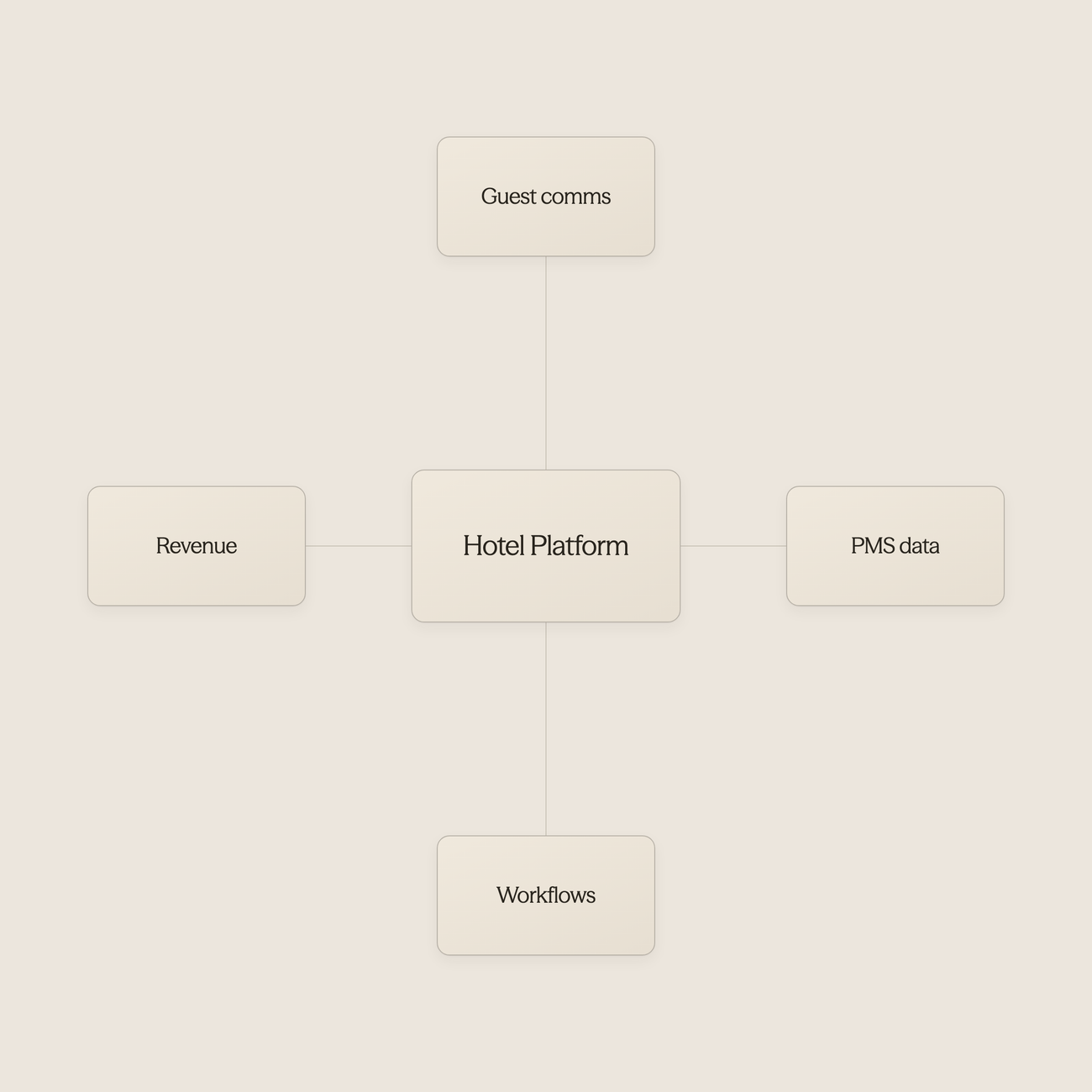
🎯 Key Point: The difference between basic chatbots and effective automation lies in integration depth and operational scope.
“The gap between basic and effective automation is integration depth — most hotels can deploy a chatbot, but fewer can implement systems that truly connect with their operational backbone.”
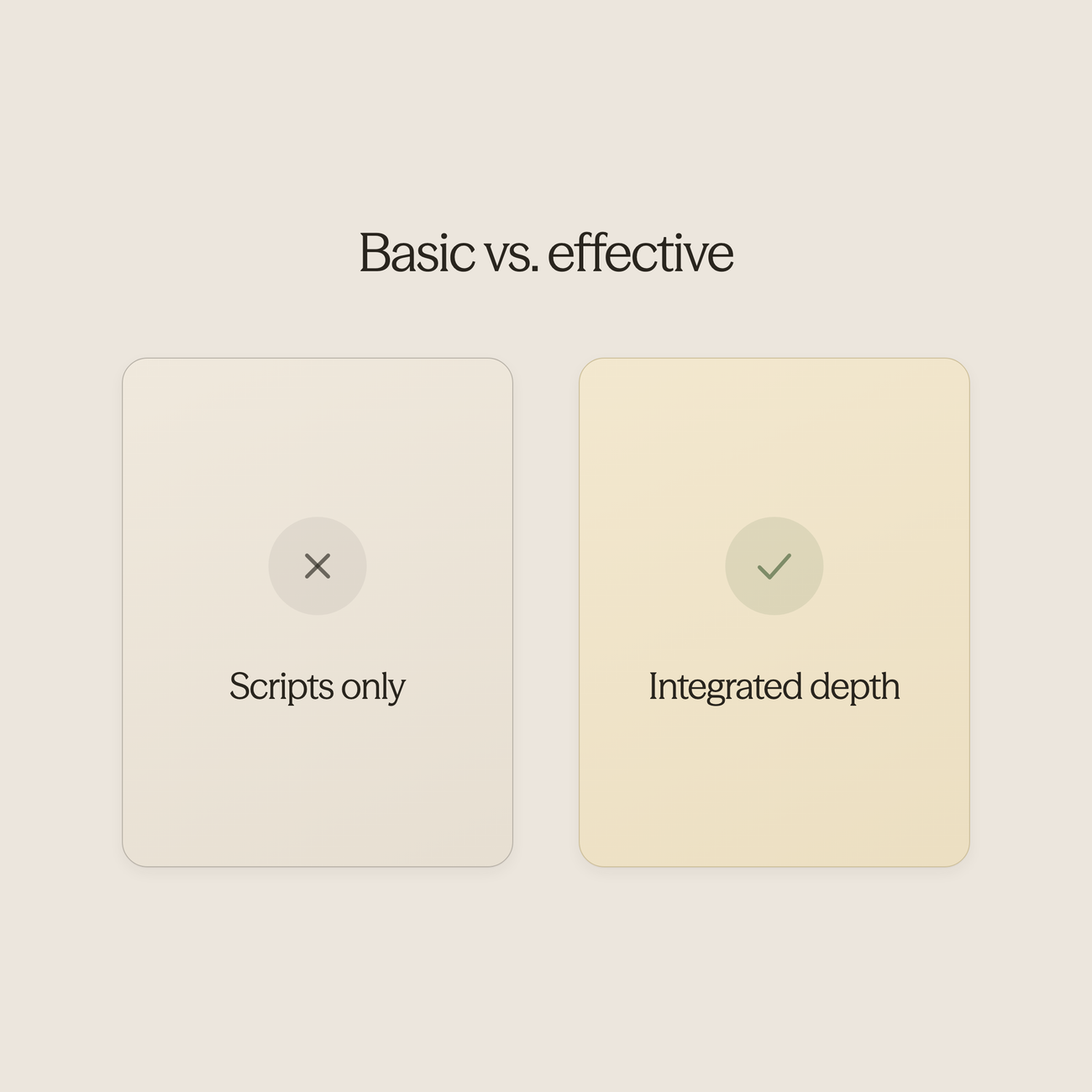
Most hotels can deploy a basic chatbot. Fewer can implement one that accesses reservation data, routes service requests to the right department, and adjusts responses based on guest history. The gap between basic and effective automation is integration depth.
💡 Best Practice: Look for platforms that offer deep system integration rather than standalone chatbot functionality — this is what separates operational transformation from simple customer service automation.
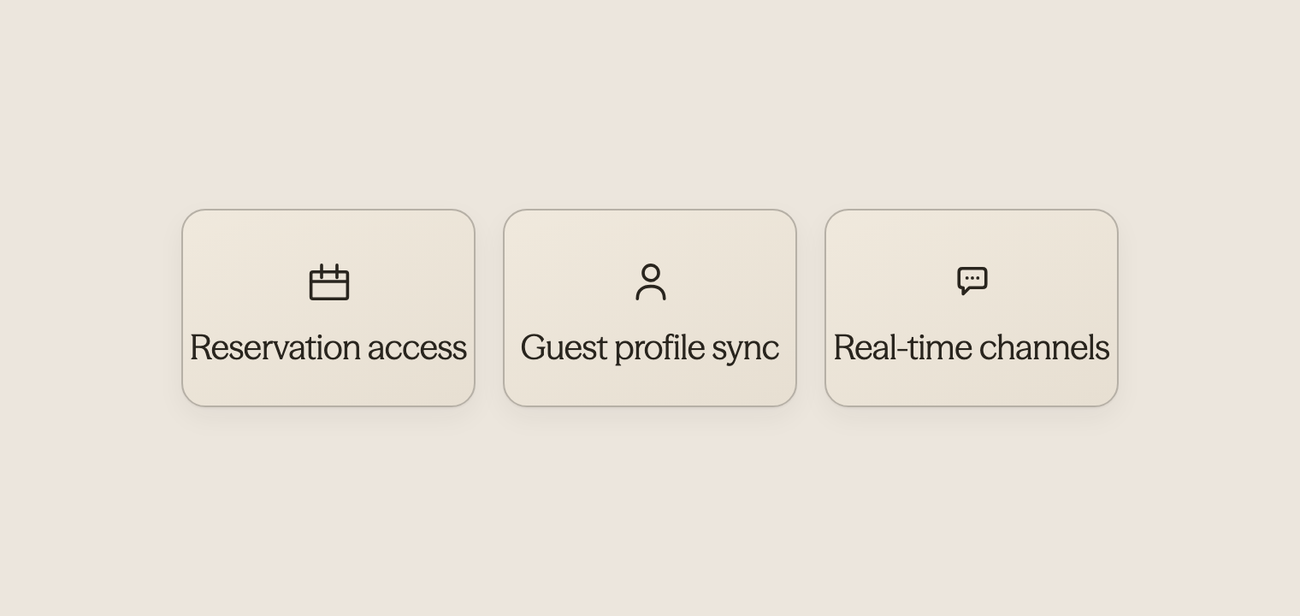
How do hotel automation systems access property data?
Hotels create information across many different systems, including reservation platforms, property management systems, guest profiles, operational task managers, and communication channels. Basic automation tools cannot access this data, but the best platforms connect directly with hotel technology to pull reservation details, stay history, room preferences, and operational status into every interaction.
What operational benefits does system integration provide?
A guest asking about early check-in receives an answer based on actual room availability rather than a scripted policy response. A maintenance request automatically routes to the appropriate team member with all necessary information attached.
Integration transforms automation from a response tool into an operational layer that coordinates information flow across the property. According to Hospitality Net, this coordination can drive a 30% reduction in labor costs by eliminating redundant communication and manual data transfer between systems.
They Use Context to Improve Guest Interactions
A returning guest asking about an upgrade differs from a first-time visitor browsing room options. A guest arriving tomorrow has different needs than someone planning a stay six months ahead. The best platforms recognize these distinctions and adjust their responses accordingly.
Systems that understand context use booking details, guest preferences, and property information to provide helpful answers. Rather than applying the same upgrade policy to every question, they recognise the guest’s current reservation, check room availability, and present options suited to the specific situation.
How do platforms move beyond simple responses?
Many platforms stop after the conversation ends. Hotel interactions, however, require action: late checkout requests need approval, housekeeping requests need assignment, maintenance issues need escalation, and room upgrades require inventory checks and staff coordination.
What does complete process automation look like?
The most effective platforms complete these processes automatically. Rather than simply informing guests that late checkout is possible, they check availability, obtain approval based on predefined rules, update the reservation system, and confirm the change. Staff receive notifications only when exceptions require judgment.
This distinction matters because hotels operate through execution. Automation improves efficiency most when it reduces manual effort to complete tasks, not merely discuss them. Platforms like Conduit handle multi-step procedures as a trained team member would, executing workflows across systems while escalating complex situations to staff with full context intact.
They Support Proactive Guest Engagement
Traditional communication is reactive: guests ask, hotels respond. Leading automation platforms take a proactive approach, identifying engagement opportunities before questions arise and capturing revenue opportunities that might otherwise disappear.
This includes upgrade offers before arrival, stay extensions during visits, check-in guidance prior to arrival, and relevant add-on recommendations throughout the guest journey. Proactive communication drives revenue by creating consistent opportunities for guests to discover services they might not otherwise consider, while improving experience by delivering information when most useful rather than waiting for guests to seek it out.
They Coordinate Operational Workflows Across Teams
A single guest request may involve the front desk, housekeeping, maintenance, and guest services. Without coordination, information fragments and tasks get missed. The best automation platforms organize these workflows by routing requests, assigning responsibilities, tracking progress, and ensuring completion.
Intelligent routing improves execution by directing requests to the right people at the right time with relevant information attached. Staff spend less time searching for information and more time completing meaningful work.
How Conduit Helps Hotels Automate Guest Communication and Operations
Conduit was built to help hotels manage guest communication, internal workflows, and revenue opportunities across disconnected systems. Rather than functioning as a standalone chatbot that answers questions, our platform serves as a hospitality automation layer connecting guest interactions to operational execution.
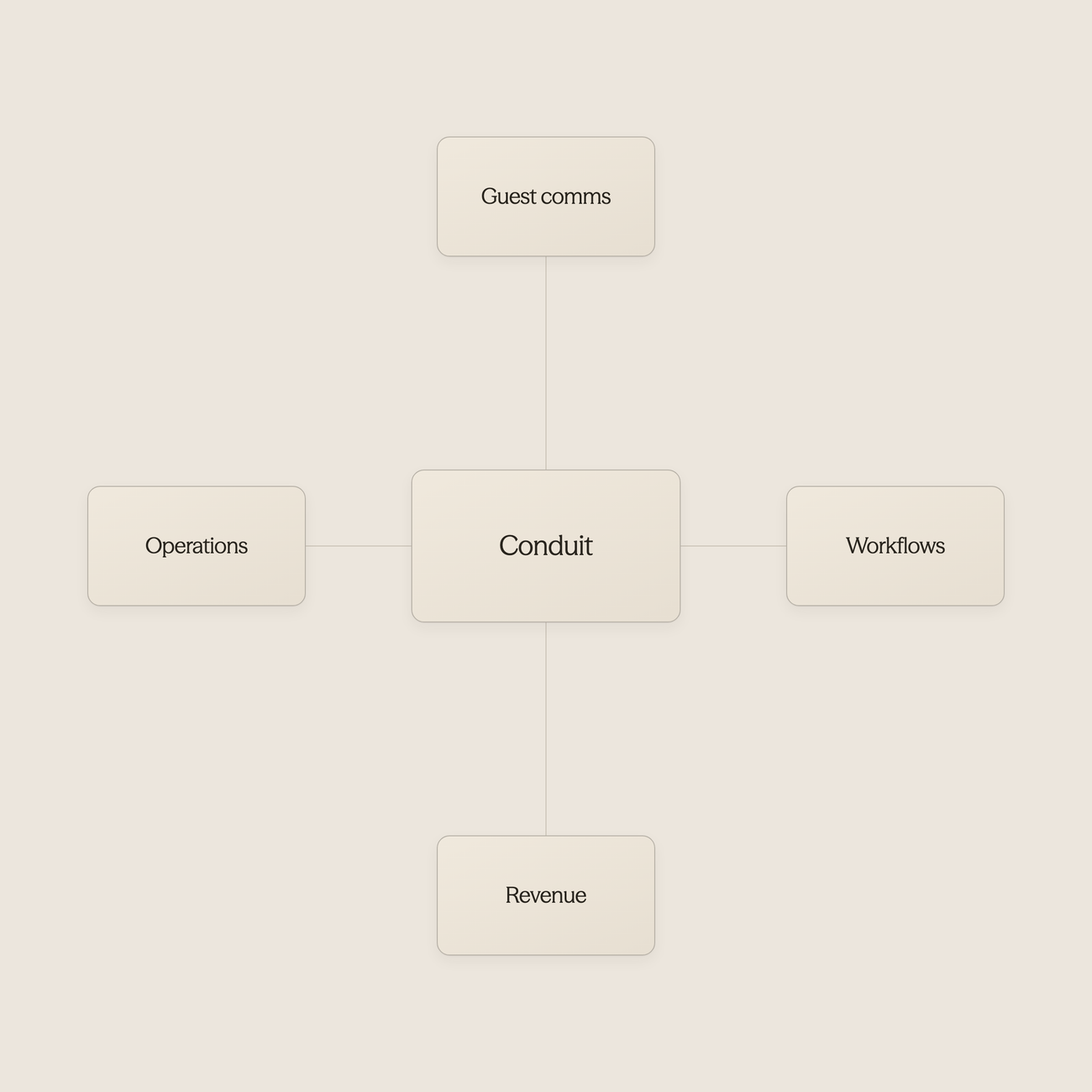
🎯 Key Point: Unlike traditional chatbots that simply respond to queries, Conduit serves as an intelligent bridge between guest requests and hotel operations, ensuring that every interaction drives meaningful action and revenue generation.
“Hotel automation platforms that integrate guest communication with operational workflows can increase operational efficiency by up to 40% while improving guest satisfaction scores.” — Hospitality Technology Research, 2024
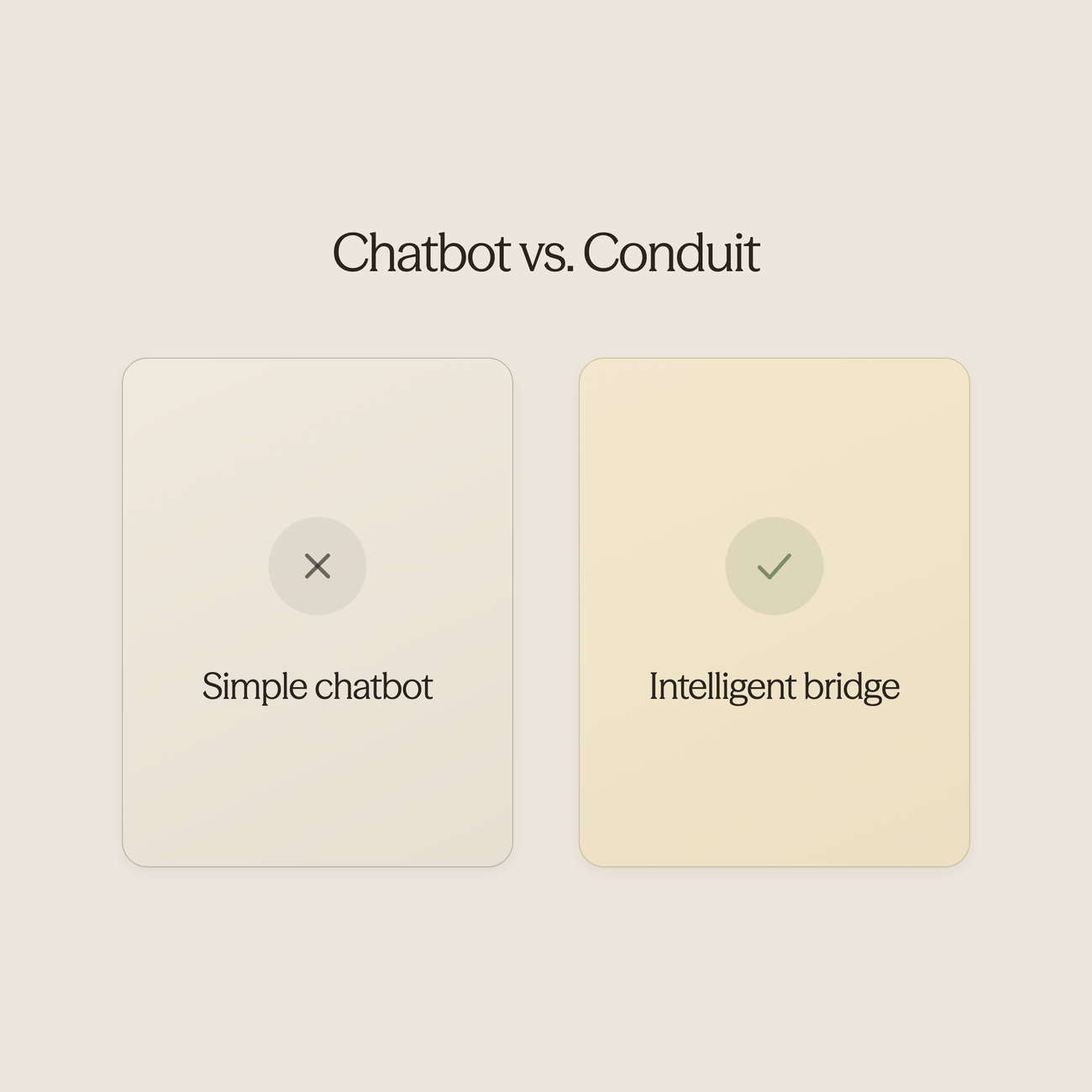
💡 Best Practice: The most successful hotels treat guest communication not as a cost center, but as a revenue optimization opportunity that can drive upsells, streamline operations, and create memorable experiences that lead to repeat bookings.
Hospitality-Specific Intelligence
Most automation platforms use generic conversation patterns that lack the operational context hotels need. A “late checkout” request means different things depending on property type, occupancy, guest status, and existing reservations.
Conduit is built around hospitality operations from the ground up. Our platform understands hotel-specific terminology, guest journey stages, and operational nuances that determine whether requests can be approved automatically or require staff judgment. This enables accurate intent interpretation and responses reflecting real property conditions rather than scripted answers.
Why does system integration matter for hotel automation?
Context determines whether automation feels helpful or frustrating. Without access to reservation data, guest profiles, and property information, AI can only provide generic responses, forcing staff to manually verify details and complete follow-through.
How does deep integration deliver personalized guest experiences?
Conduit connects directly across the hospitality technology stack, including property management systems, reservation platforms, and guest profiles. This integration enables accurate, personalized responses. When a guest asks about early check-in, the system can reference actual arrival time, room availability, and guest history rather than provide a generic policy statement.
According to Cole Rubin’s LinkedIn post about Conduit AI workflows, properties using integrated workflows have achieved a “5-star check-in experience” by delivering contextually relevant information at the right moment.
Multi-Channel Communication Management
Guest questions come in through websites, SMS, email, WhatsApp, Instagram DMs, and other digital channels. Managing these conversations manually across different platforms causes slow responses, uneven service quality, and operational blind spots where requests get lost between systems.
Conduit automates guest communication across all channels while maintaining conversational continuity. A guest can start a conversation on the website, continue it through SMS, and receive consistent, contextually aware responses throughout, eliminating the need to repeat information or for staff to manually track conversation history.
How do guest inquiries create operational bottlenecks?
Guest questions often trigger complex workflows: maintenance requests route to the right department, room upgrades require availability and price approval, late checkouts demand housekeeping changes. Manual coordination across multiple systems and teams creates bottlenecks, slowing response times and increasing errors.
How does Conduit orchestrate hotel operational processes?
Conduit organizes these processes through smart routing and escalation. Maintenance reports automatically create work orders and send them to the right teams with the necessary information, while guest status updates occur immediately. Routine approvals follow set rules; exceptions that require human judgment are escalated with all necessary information to enable quick, informed decisions.
Understanding what the platform can do matters most when you see it working within your specific operational environment.
Book a Demo to See Conduit’s AI for Hospitality Customer Service in Action
The best hotel automation software automates behind-the-scenes work while making guests happier and creating new revenue opportunities. Book a demo with Conduit to see how our hospitality-specific AI integrates with your current technology.
🎯 Key Point: See exactly how AI automation can transform your property’s operations in your first demo session.
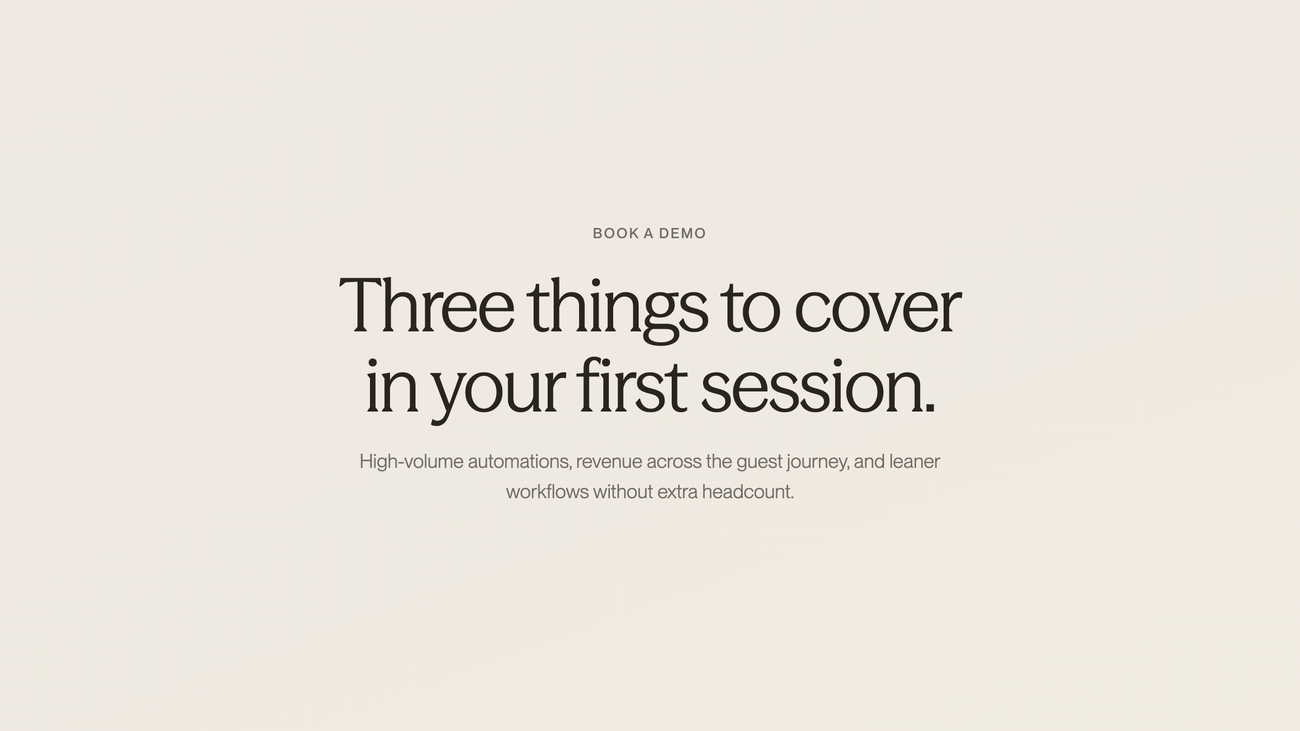
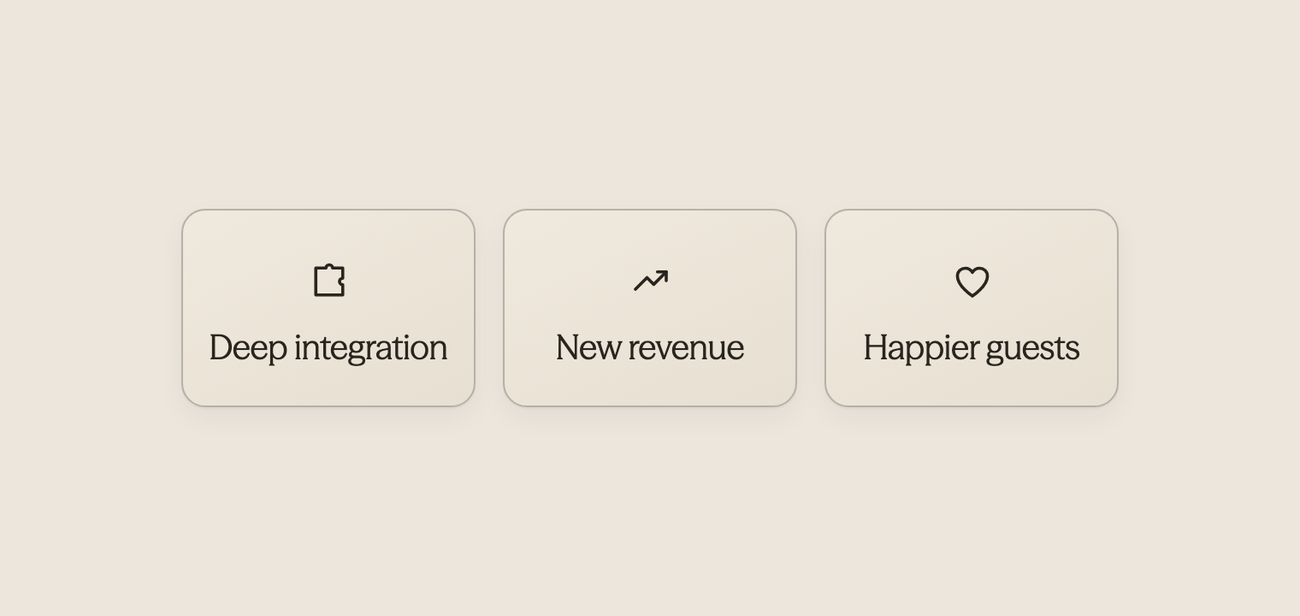
Your first session can focus on finding high-volume guest interactions that can be automated, uncovering ways to increase revenue across the guest journey, and mapping operational workflows that could be streamlined without hiring more staff. Our platform adapts to your property’s unique operations, not the other way around.
“The best automation solutions work seamlessly with existing hotel technology while creating new revenue opportunities and improving guest satisfaction simultaneously.”
💡 Tip: Come prepared with your biggest operational pain points and guest service challenges to maximize your demo session value.
Related Reading
- Property Management AI Tools
- Airbnb Automation Tools
- Airbnb Automated Messages
- AI Software For Hotels with the Best Reviews
- Duve Pricing
- Enso Connect Pricing
- Hijiffy Pricing
- Best AI for Hotels
Stay in the loop
Get the latest on AI automation, product updates, and customer stories.

